What Happened to Boredom?
A reflection on the value of being bored.
By Jillian Miller
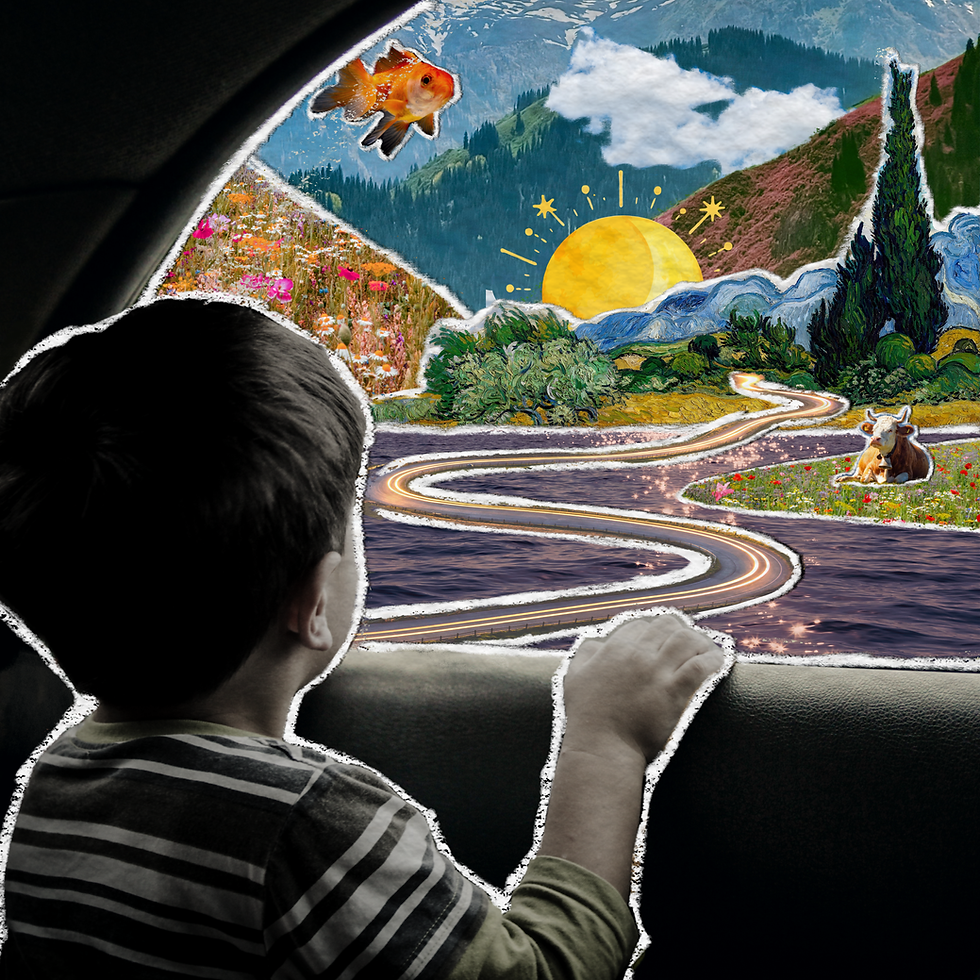
When was the last time you remember being bored? Not “I’m bored so I’ll scroll on my phone,” Not “I’m bored so I’ll sift through Netflix till I find something I’m interested in,” but bored as in nothing to do but stare at the fly on the wall. Nothing to do but watch cars go by outside the front window. I can’t. If eight-year-old me heard me say how I miss being bored, she would think I was crazy, but in truth, I do, and you should too.
We live in a world where everything is at our fingertips. The minute we don’t have anything to do, we can whip out our phones. Snapchat, Instagram, TikTok, or YouTube can take up hours of our time, constantly feeding us with new stimuli. Gone are the days when you had to wait for your favorite television show to air or rent DVDs. We can access anything we want with a simple swipe, click, or search. We seem to have a need to keep our minds busy or consumed. If we’re not entertained, we feel deprived; if not connected, we feel left out - god forbid we feel the extreme discomfort of boredom. But boredom is not the enemy as our current society and culture paint it to be. Boredom is actually imperative to us. It’s a chance to give ourselves a break, reflect, problem-solve, and think creatively.
When we discuss our digital age and phone use, boredom often gets left out of the conversation. Many people see boredom as something they lose as they try so hard to avoid it. Loss of individuality is a common criticism of social media, with all the trends, influencers, and media outlets pushing people toward uniform opinions, interests, and choices. But what many fail to realize is how much boredom and simply doing nothing can counter this phenomenon. When we have nothing to do, we are left with our own thoughts. We are more likely to think for ourselves and form opinions, thus creating our own individual identities. We fail to separate ourselves from the masses because we constantly immerse ourselves in it. And I think, in a way, we’re anxious about not being a part of it. Depression, anxiety, and other mental health issues are rising amongst teens and young people. A study published in 2025 found that 40% of those who reported feelings of depression and anxiety also reported problems with social media use and had feelings of discontent and disappointment when not using social media. Furthermore, these feelings don't come only from social media; our lives are constantly scheduled, and many pressures affect us. Boredom gives us a chance to take the much-needed break we need. It allows us to reflect, process, and slow down, all of which is needed in the fast-paced world we live in today.
As a kid, I remember being bored. I spent hours in aftercare while my parents worked late and most of my friends had already gone home, took long car rides with nothing to do but stare out the window, or spent days when I couldn’t find anything that interested me. But these were also the times the most creative or best ideas came to me. I remember daydreaming when I was bored. I would create entire worlds in my head, with places, people, and histories. For years, I returned to them and kept fleshing them out in my head. But I haven’t in a while, and I can probably pinpoint the moment I stopped - when I got a phone. My time was no longer filled with daydreams, but with texting, watching, or scrolling. Looking back, I feel like I’ve lost so much of my creativity. I thought that by always being connected, I would cure myself of boredom. And I did. But I didn't realize how important it was to facilitate creativity and ideas.
Boredom is a skill. Being comfortable with being uncomfortable is not easy. It’ll work and rewire our brains to no longer rely on constant input and stimulation. But in the end, we’ll be better people for it. More creative, well-rounded critical thinkers who can create something out of nothing. So next time you have nothing to do, instead of reaching for the phone, choose to do nothing. Choose to be bored, and who knows? The least boring thinking might come out of it.
Comments